EXHIBITION
ZONE - A solo exhibition by Liza Kin, curated by Vit Havránek
- LOCATION:
- Almaty, Kazakhstan
- START DATE:
- 5 June 2026
- END DATE:
- 30 September 2026
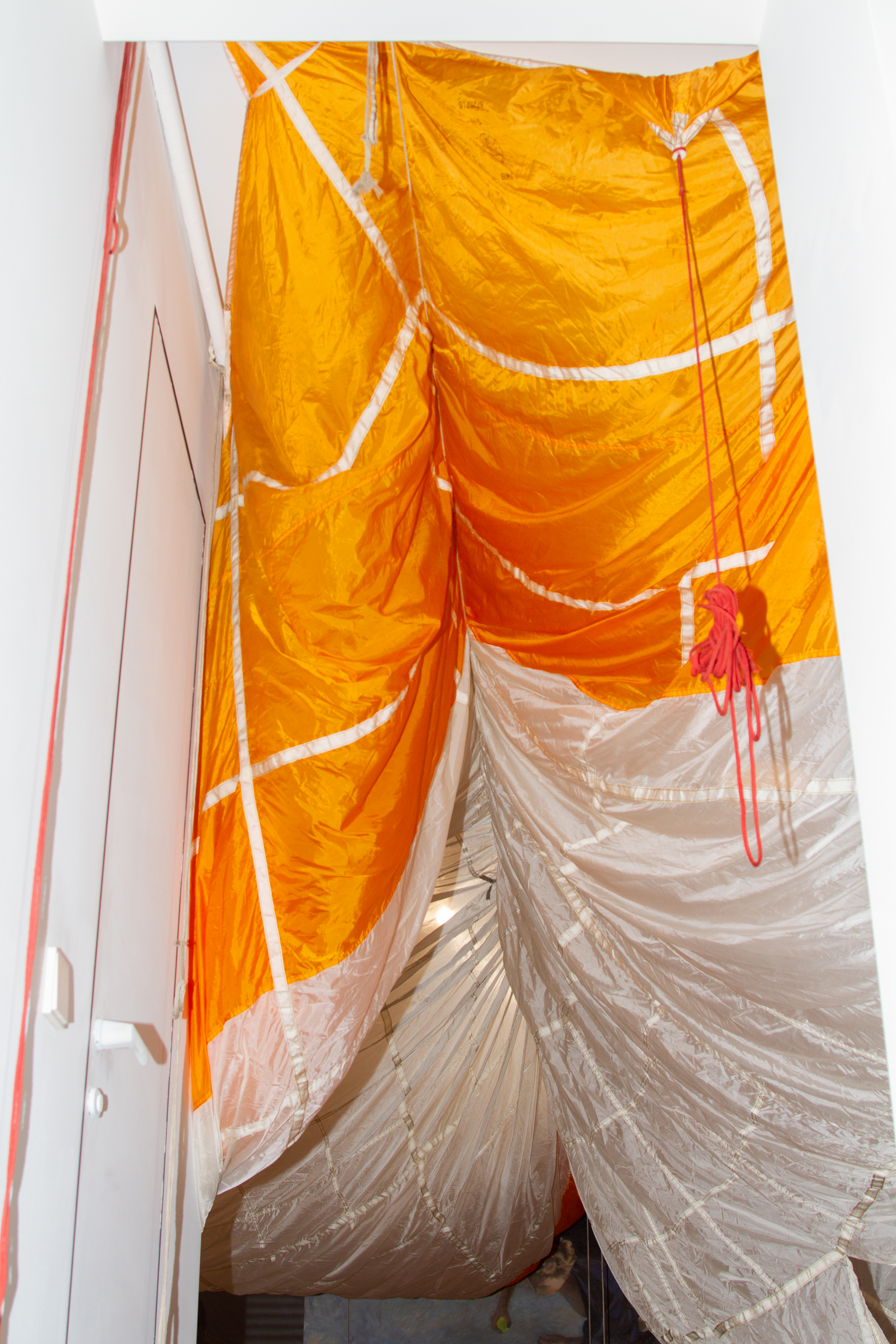
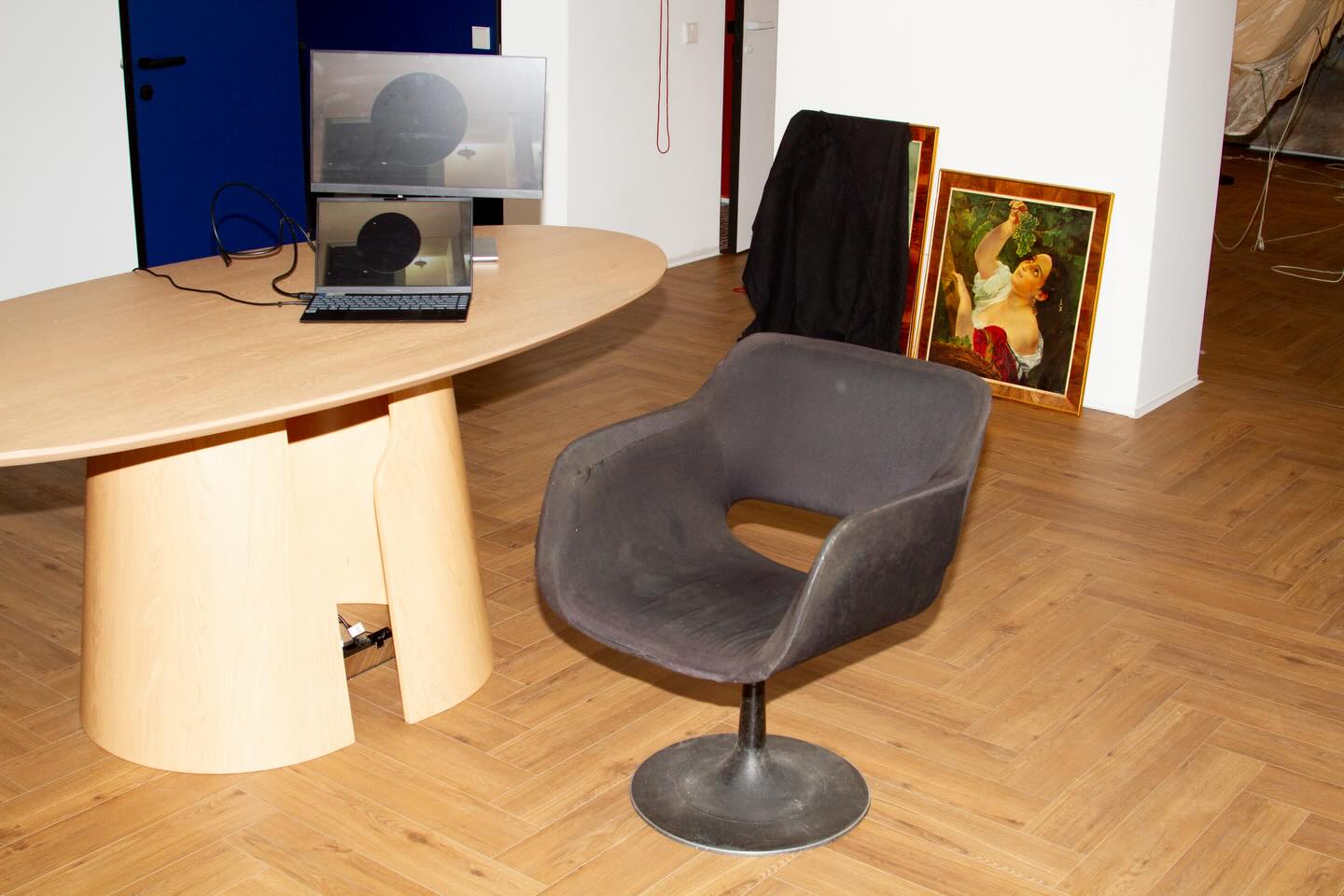
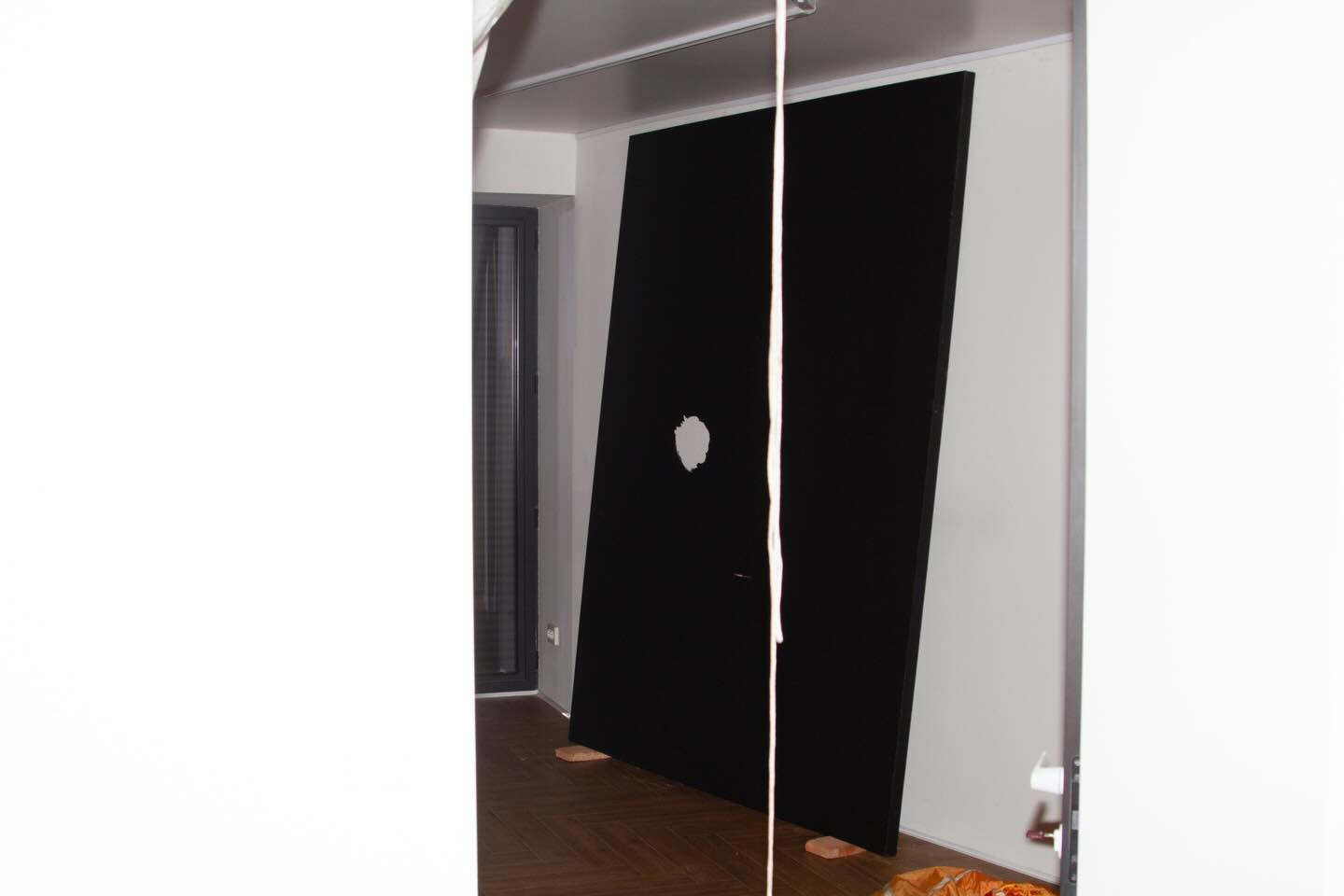
Begilda Gallery presents ZONE, a solo exhibition by Liza Kin. ZONE is a research apparatus documenting the phenomenon of atmospheric asymmetry. The project defines melancholy as a structural effect – a measurable friction that emerges at the moment a finite body encounters an environment constructed without regard for its presence. The exhibition functions as a diagnostic tool, shifting focus from psychological interiority to the political configuration of space. By examining the subtle interactions between body and architecture, ZONE deconstructs the mechanisms through which an environment exercises power and produces exclusion as a normative state.
The exhibition functions as a diagnostic tool, shifting focus from psychological interiority to the political configuration of space. By examining the subtle interactions between body and architecture, the project deconstructs the mechanisms through which an environment exercises power and produces exclusion as a normative state.
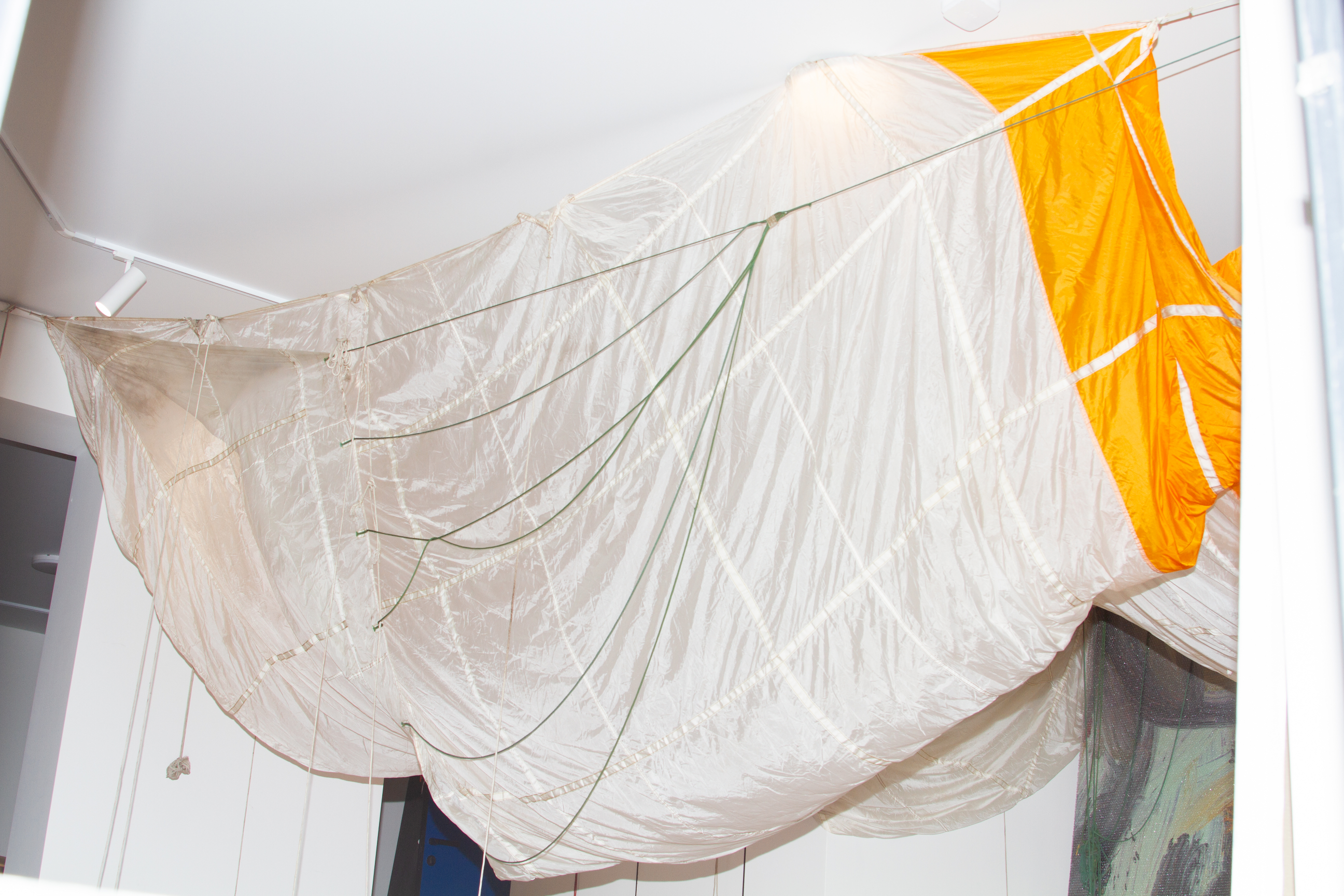
Drawing on Gernot Böhme’s aesthetic theory and Peter Sloterdijk’s immunological concept of spheres, Kin translates philosophical abstraction into the field of bodily, physically lived experience. The work with the environment in ZONE follows a logic of radical economy of means, bordering on erasure: the artist removes elements of false comfort from the gallery context, turning architecture itself into an active sculptural ingredient. Developing Böhme’s thesis that atmosphere is produced by the concrete physical qualities of space - light, sound, temperature, the rhythm of surfaces - and always precedes perception, the artist exposes its hidden political underside. The objectivity of atmosphere means that it is always a product of labor, with a maker and a specific addressee standing behind every environmental project. At the scale of Sloterdijk’s concept, any such construction by definition draws a boundary between those it includes and those it excludes. The atmospheric sphere is always built for a normative body, historically coded through the prism of a particular class, gender, race, and level of ability. The body that coincides with this unspoken norm does not notice the environment, while the non-coinciding body collides with it constantly.
Liza Kin’s artistic method is rooted in a consistent movement toward the dissolution of identity and a gradual rejection of the dictate of individual authorship. The artist’s geographical transit reads here as a sequential liberation from personal markers in favor of collective, infrastructural, and environmental practices. Following Maurice Merleau-Ponty, the ZONE project registers a shift of focus from the artist’s “I” toward the production of shared spaces and threshold states, where the environment functions as a decentralized system of co-presence.
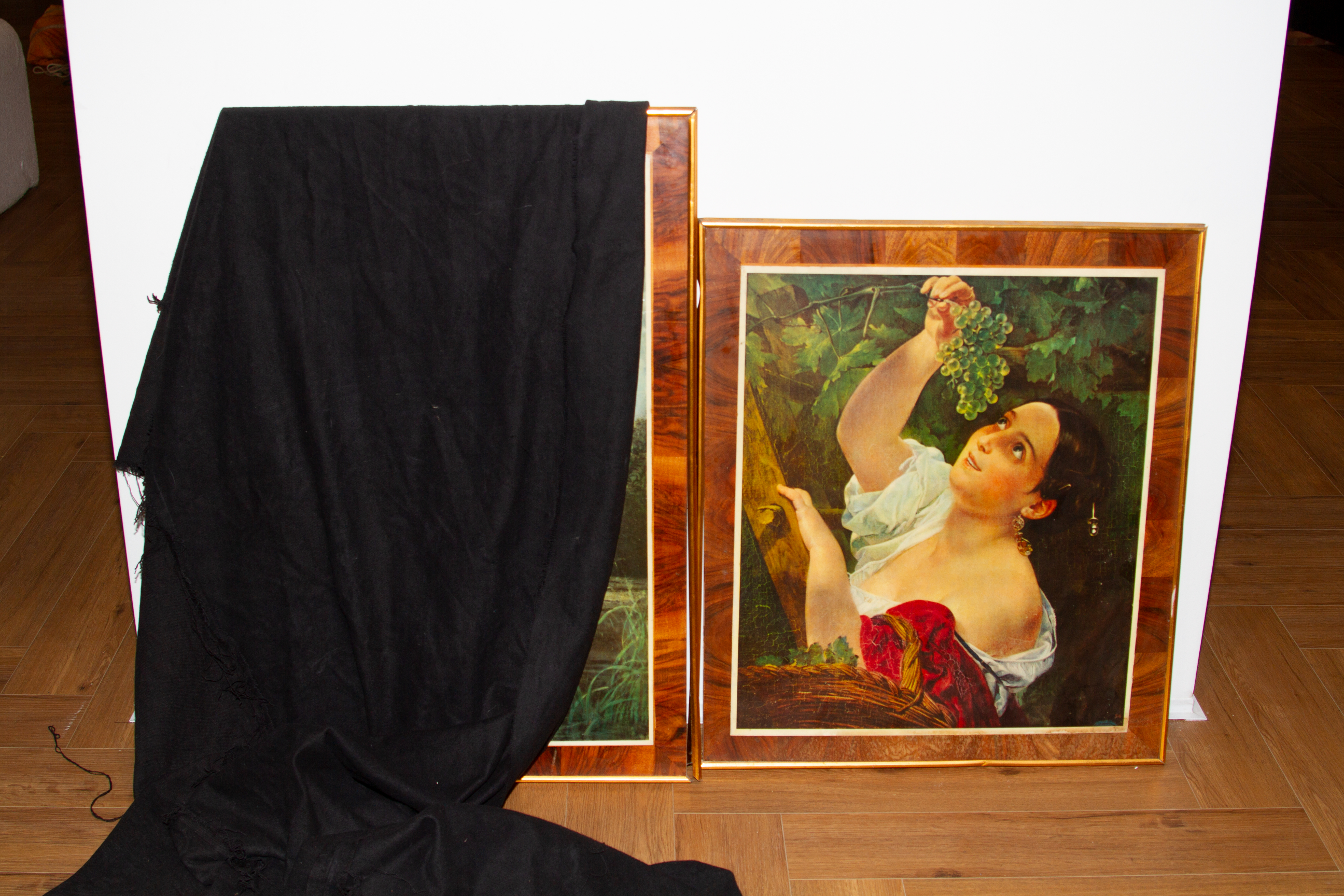
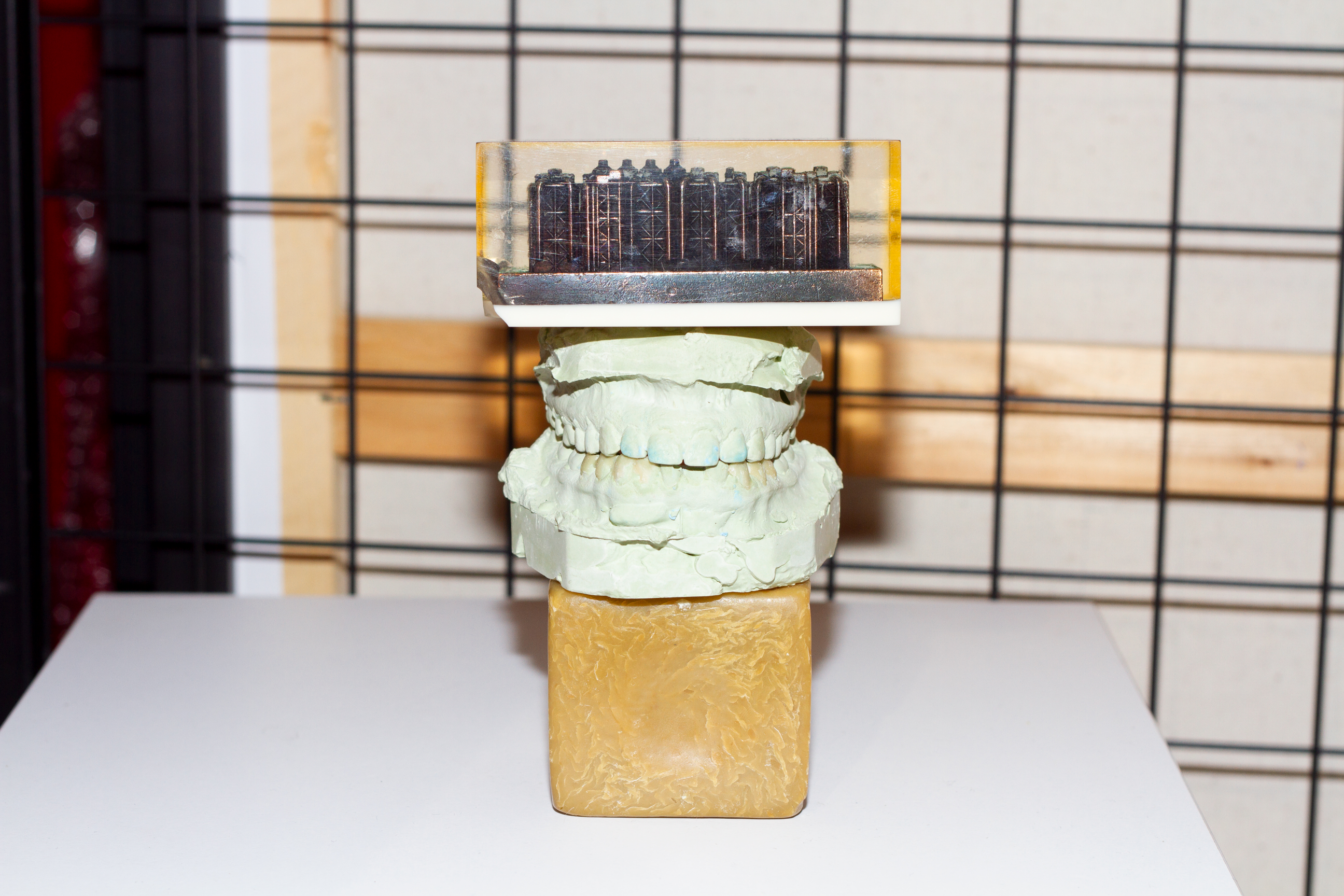
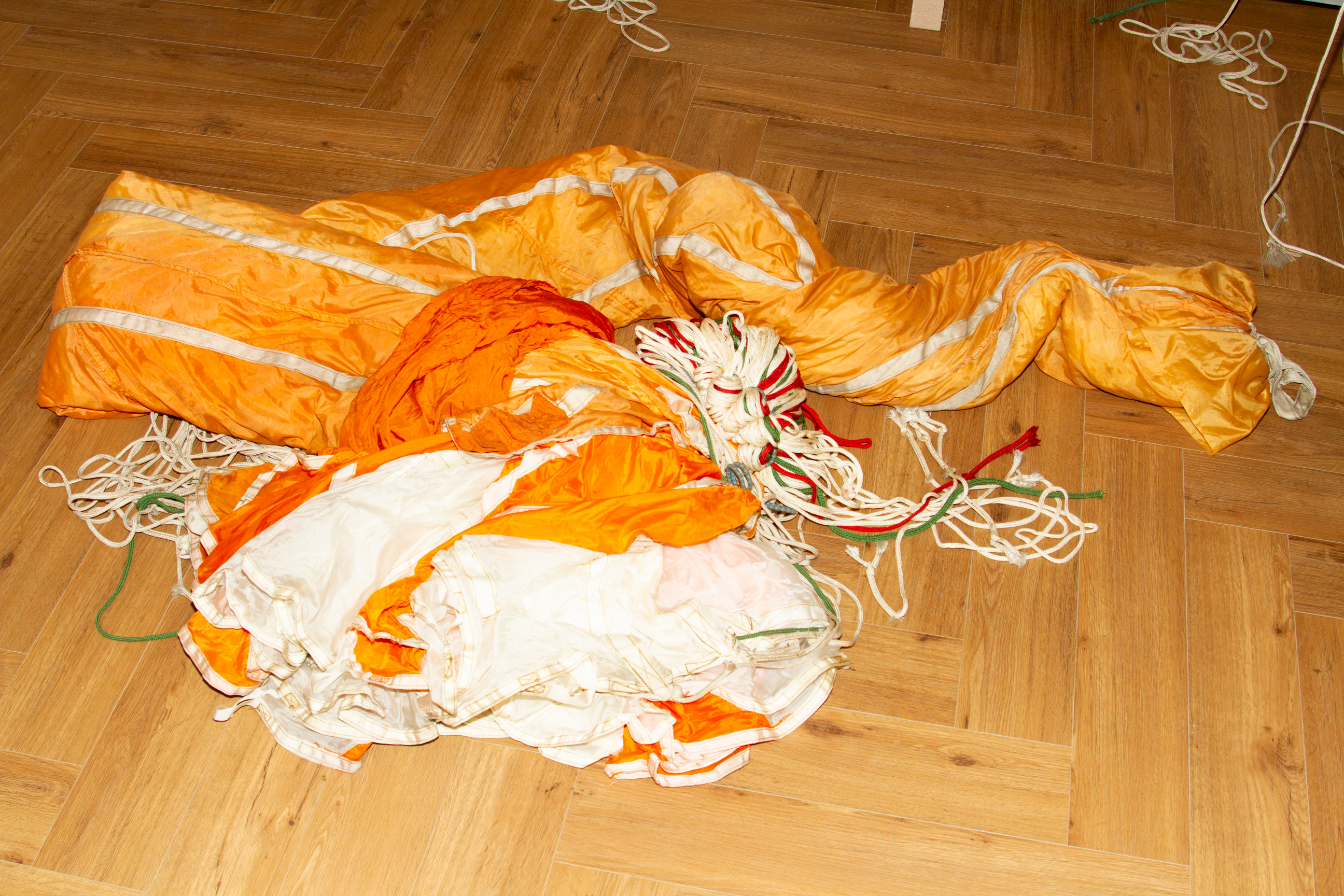
The vector of this decentration becomes an architectural and plastic kenosis, understood as a conscious self-limitation and emptying of authorial will in order to clear a place for the Other. In opposition to a totalitarian aesthetic that gravitates toward the triumph of individual expression and the sterile completion of forms, ZONE asserts an ethic of vulnerability and decenteredness. The apparatus of environmental suppression is neutralized through the production of “protocols of hospitality.” Objects withdrawn from functional cycles lose their original pragmatics, becoming ruins of the everyday and dreamlike altars. Possessing their own histories and autobiographical origins, these objects flicker at the edge of visibility, recalibrating the environment toward the perception of the imperfect and fragile human body.
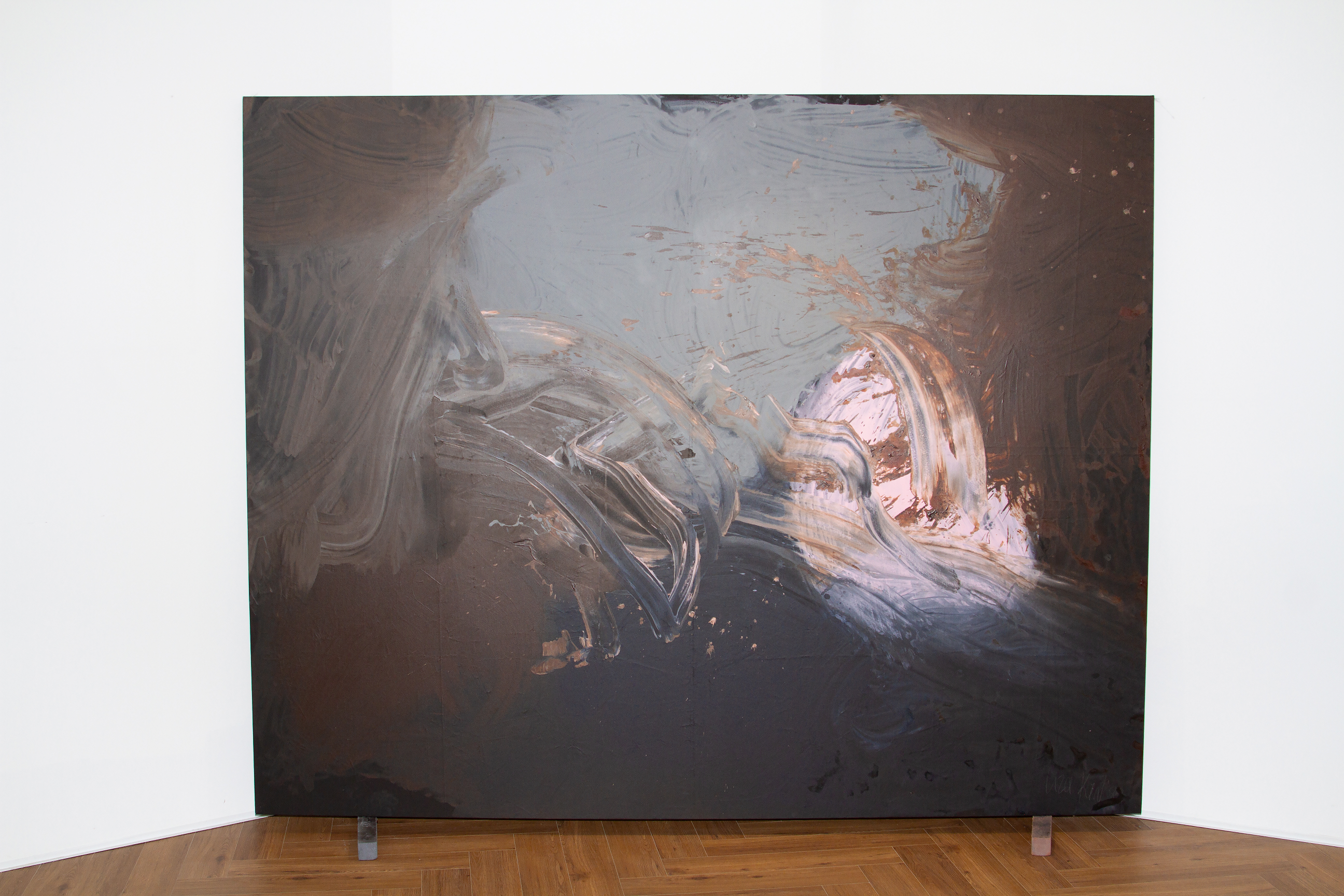
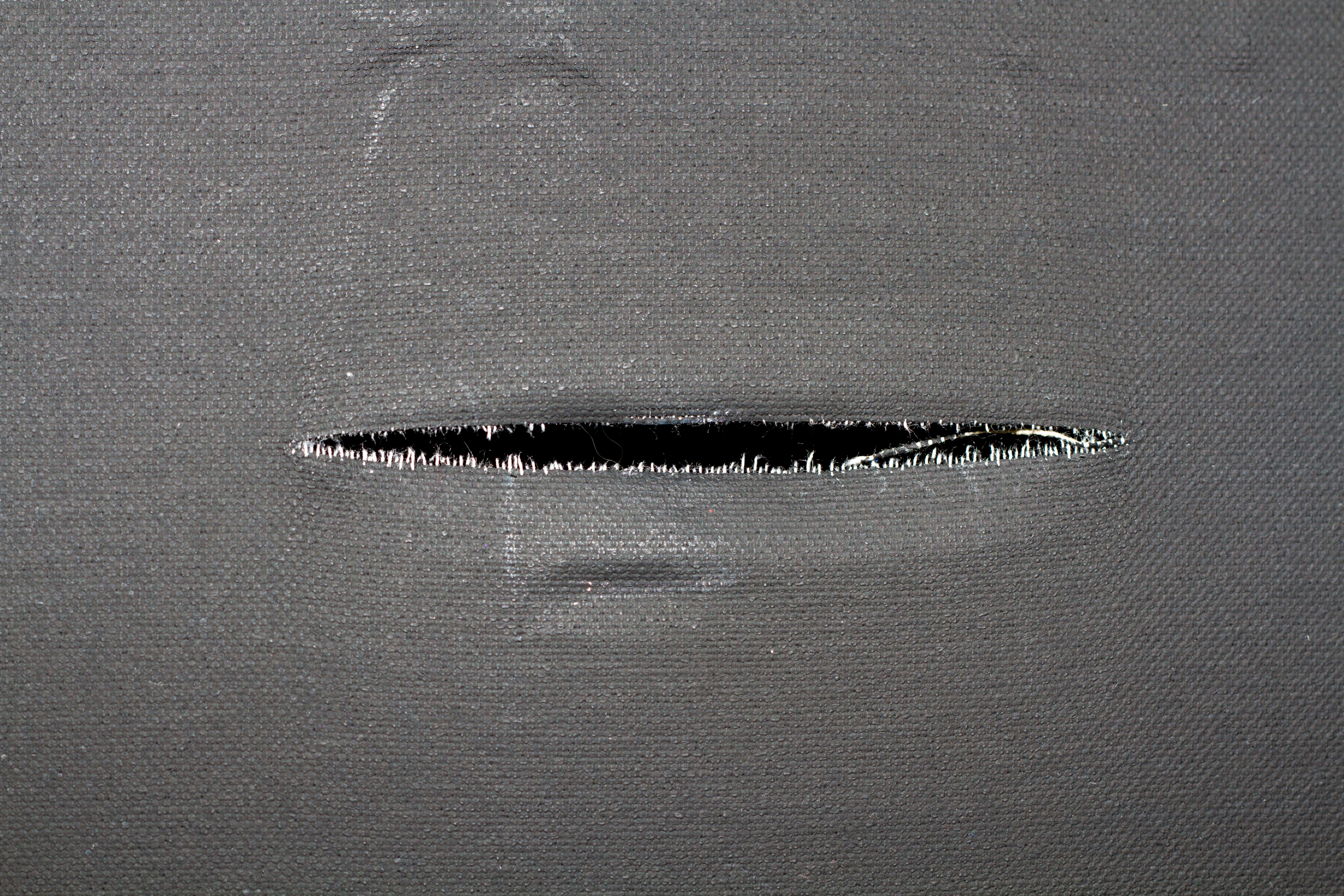
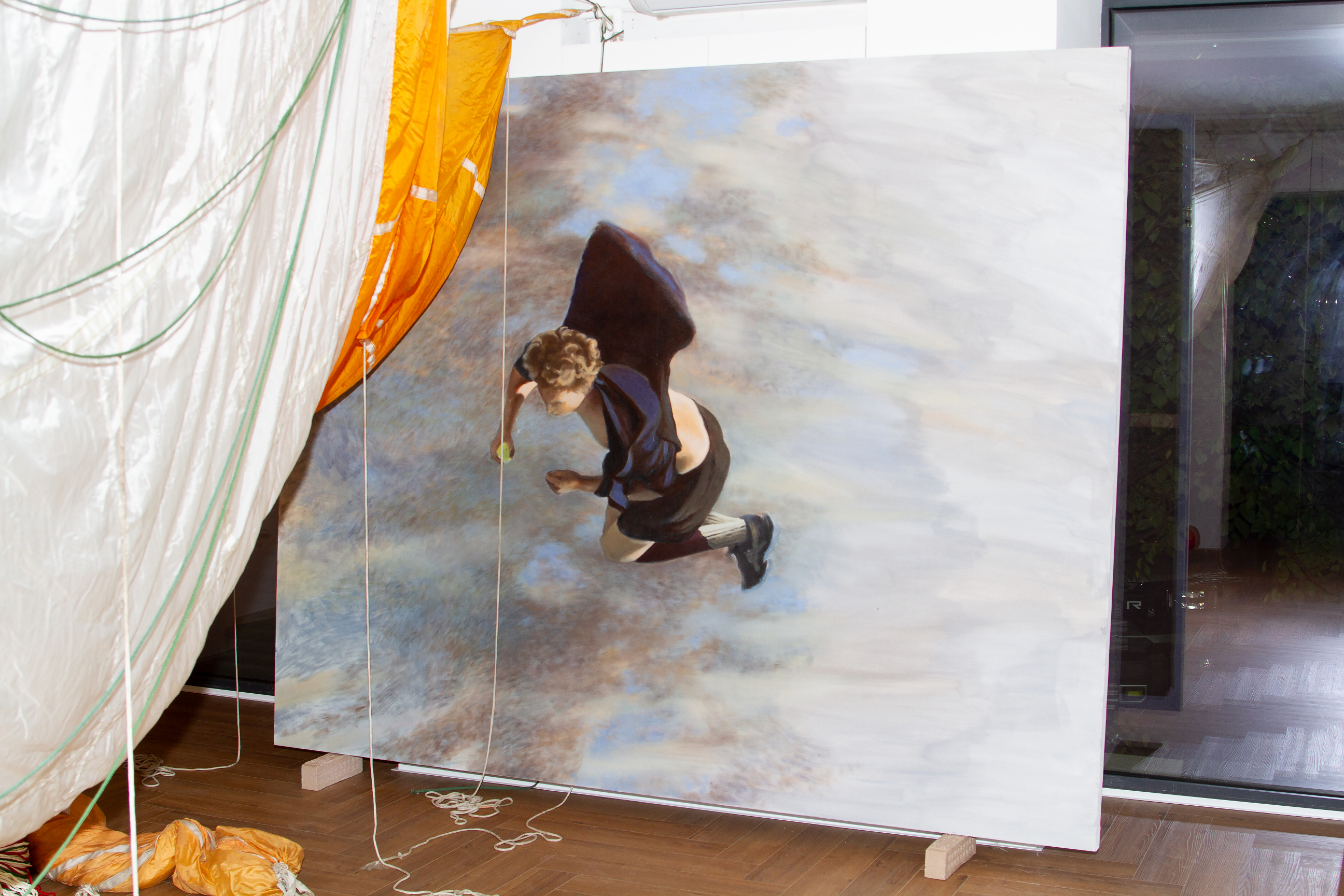
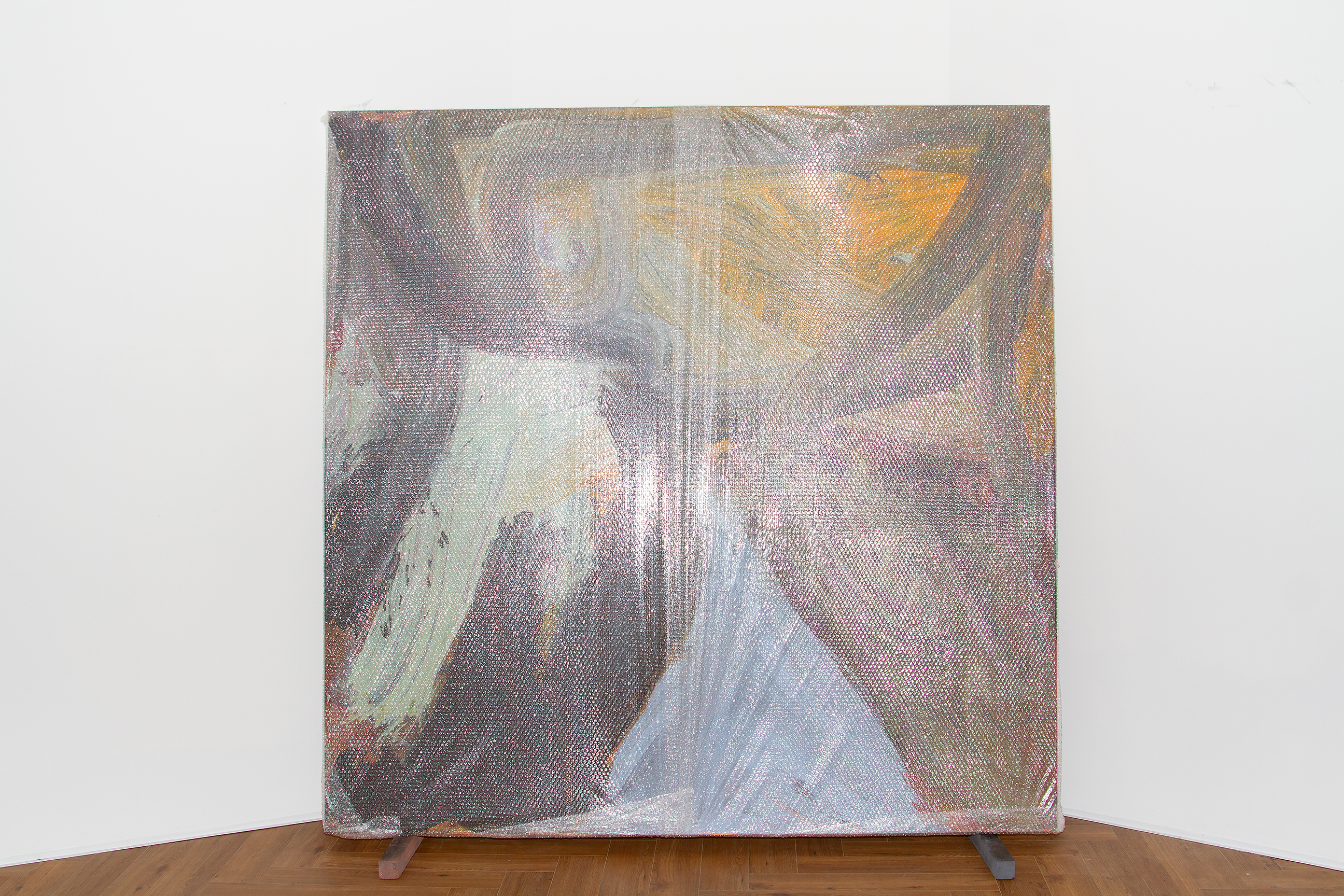
The plasticity of memory and the physical fluidity of space find a common ontological foundation in ZONE. The deliberate incompleteness of pictorial surfaces and the displacement of habitual spatial coordinates draw the viewer into the situation of Mitsein - co-presence, where the boundary between author-demiurge and guest is definitively erased.
A change in the environment’s barometric pressure, physically registered by the skin through “uncomfortable” interior elements or latent triggers of precarity, disrupts the automatism of habitual bodily reactions. Yet, by drawing the viewer into this zone of lowered pressure, Kin’s exhibition paradoxically offers a therapy of the environment: space itself yields to the body, temporarily releasing it from the necessity of proving its right to exist.
The collision of elements of the “first cosmos” with the optics of the Other closes a geopolitical loop of return, inverting the conventional colonial routes of imported meaning. Text, painting, and object function here as equivalents, allowing the subject to simultaneously share the physical space of the gallery and inhabit individual, parallel dream trajectories, thus transforming melancholy from a testimony of defeat into an assembly point for a new transnational sensibility.
About the artist
Liza Kin (b. 1987, Almaty, Kazakhstan) is an artist, writer, and cultural producer based in Berlin. She studied at the Stieglitz State Academy of Art and Design in Saint Petersburg (2005–2009) and at the Kazakh National Academy of Arts (2009–2010). Her practice spans painting, installation, photography, and documentary film. In 2016–2018, she founded Pink Pong (Almaty), an independent club that became a key venue for experimental music in the city. From 2022 to 2025, she was part of Motto Distribution (Berlin), where she initiated and built Motto Paris, organised exhibitions and experimental music concerts, and produced audio releases. Her exhibition Nothing was presented at Motto in 2024. Together with colleagues, she co-founded K1NO1 (Paris), a cinema association dedicated to the regular screening of auteur and experimental film. Since 2023, she has been developing Art Dealing as Art Practice — a conceptual investigation of the art market from within. She publishes critical texts at lizakin.com
About the curator
Vít Havránek is an art historian and curator with a focus on contemporary art and critical studies. Since 2019, he has served as Vice-Rector at the Academy of Fine Arts in Prague and currently resides at the Cité Internationale des Arts in Paris. From 2002 to 2019, he was the director of tranzit.cz, part of a network of organizations active in five Central and Eastern European countries. He has also worked as an external editor for JRP Ringier and curated or co-curated exhibitions of various scales on different continents, including In the Matter of Art in Prague, U3 Triennale in Ljubljana, Jakarta Biennial 2017, and Manifesta 8. He is a co-founder of the group PAS, and his articles have been published in books and catalogues by JRP Ringier, Centre Pompidou, MoMA, MIT Press, Sternberg Press, and others.